

Welcome to the page dedicated to superconductivity, a phenomenon that has transformed our understanding of materials and opened the door to revolutionary technologies.
Main target: Students in the first and second years of secondary school.
In this exposition, we’ll explore the fundamentals of this fascinating phenomenon, its applications, and what it promises for the future. Read this introduction and then freely visit our virtual exhibition Super!, created for the 2020 edition of the "Festival della Scienza" in Genoa, Italy.
The story of superconductivity: from its discovery to new frontiers
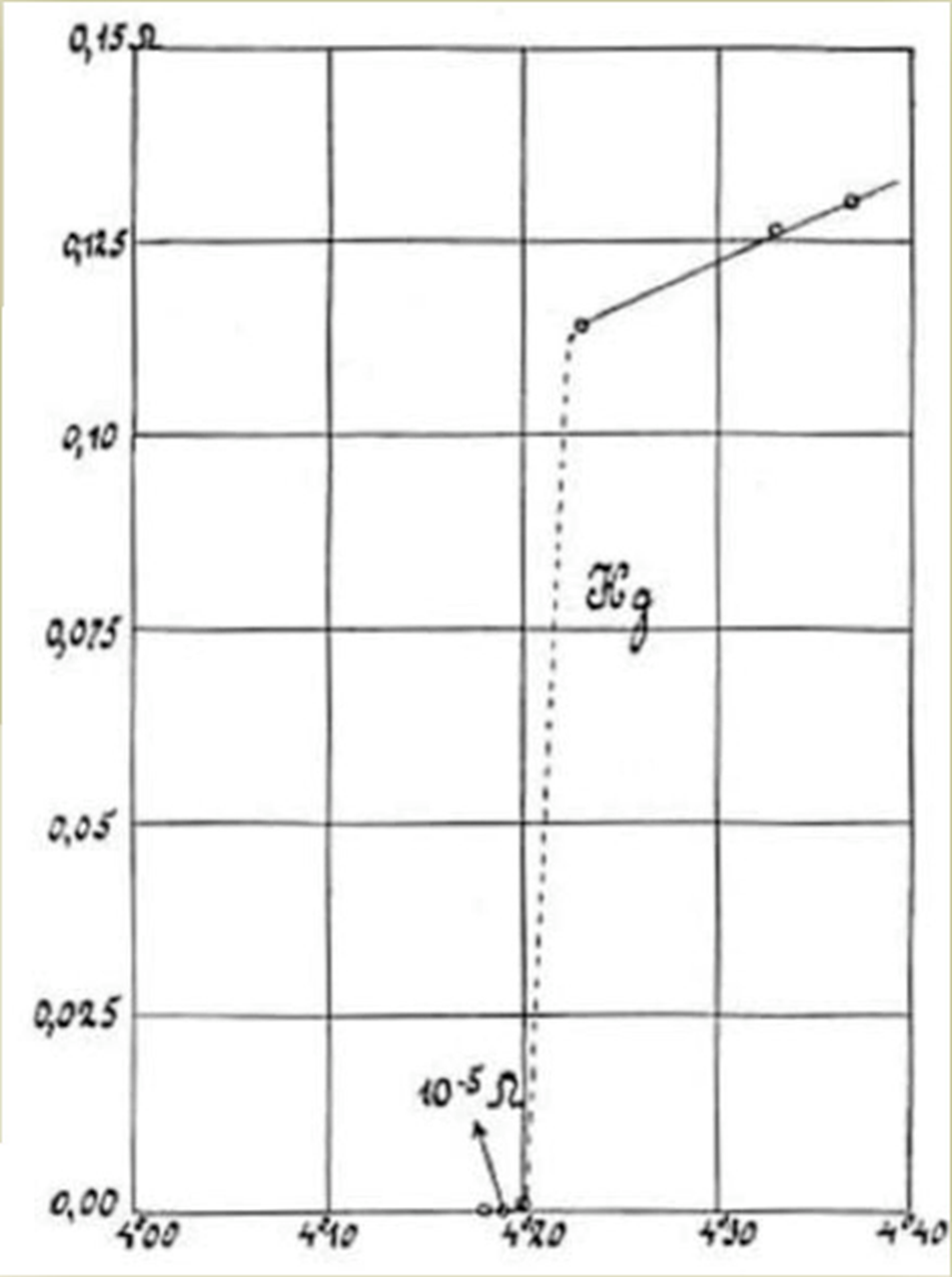
The story of superconductivity begins in 1911, when Dutch physicist Heike Kamerlingh Onnes, studying the electrical properties of mercury cooled near absolute zero (-273.15 °C), observed the disappearance of electrical resistance. This discovery was a milestone in solid-state physics and earned Onnes the Nobel Prize in 1913.
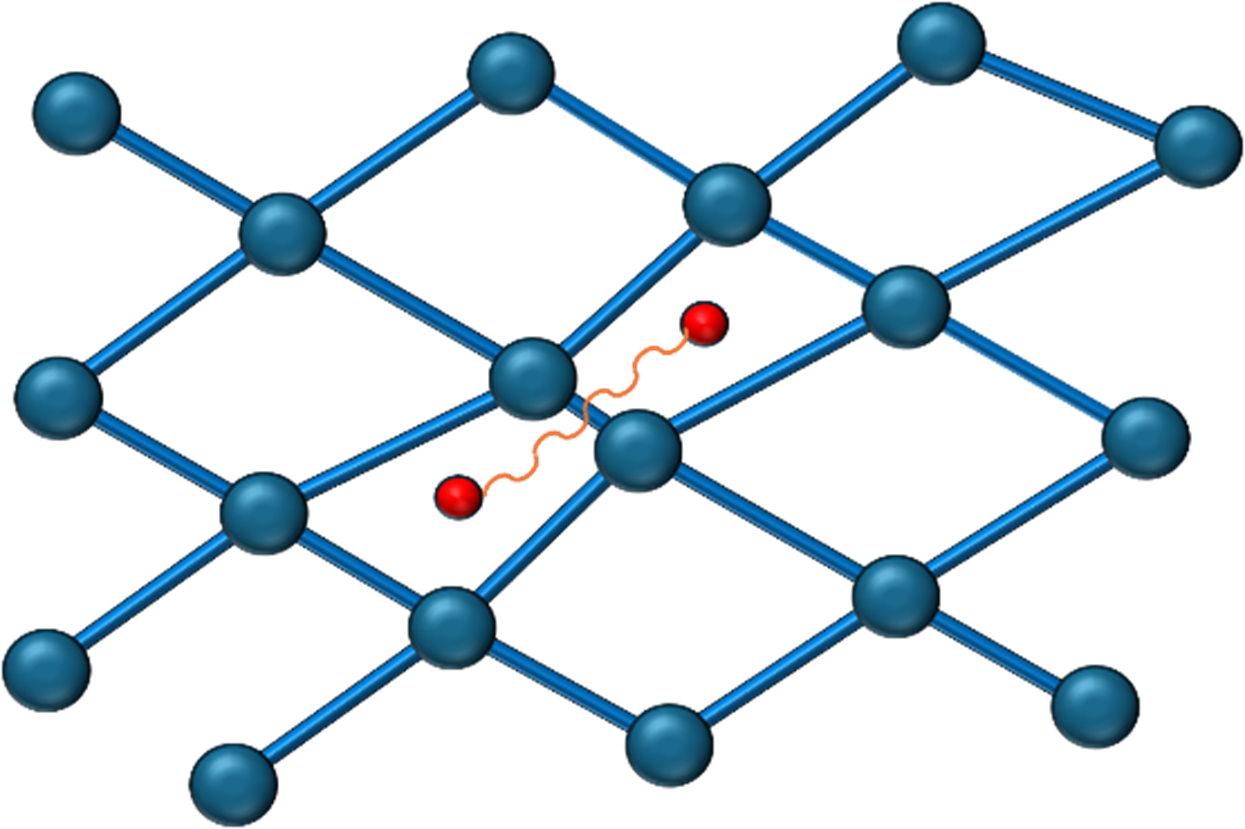
The first discoveries in pure metals such as mercury, lead, and tin led to the realization that superconductivity is a phenomenon linked to the collective behavior of electrons at low temperatures. In the 1950s, the mystery of how this phenomenon occurred was resolved with the BCS (Bardeen–Cooper–Schrieffer) theory. According to this theory, electrons in superconductors pair up to form Cooper pairs, which move without resistance thanks to their interaction with the crystal lattice of the material.
In the 1960s and 1970s, research focused on metal alloys such as niobium–tin (Nb₃Sn) and niobium–titanium (NbTi), which could be used to make superconducting magnets. These materials have been employed in devices such as MRI magnets and particle accelerators.
The real revolution came in 1986 with the discovery of high-temperature superconductors (high-Tc) by Johannes Georg Bednorz and Karl Alexander Müller, who won the Nobel Prize in 1987. Materials like copper oxides (cuprates), particularly YBa₂Cu₃O₇ (YBCO), became superconducting at relatively high temperatures—around -196 °C—easily achievable with liquid nitrogen. This discovery greatly expanded possible applications, bringing superconductivity out of the laboratory and into the real world.
In the 2000s, a new class of materials drew attention: iron-based superconductors. Discovered in 2008, these materials presented a unique combination of superconductivity and magnetic properties, offering new insights into the mechanisms behind the phenomenon.
In recent years, research has reached a new frontier with layered superconductors operating under extreme conditions. These materials have achieved critical temperatures close to room temperature (above 15 °C), but they require extraordinary pressures—over 200 gigapascals—making them impractical for everyday applications. Despite these technical challenges, such discoveries represent important scientific milestones.
From theory to application: superconductivity in the real world
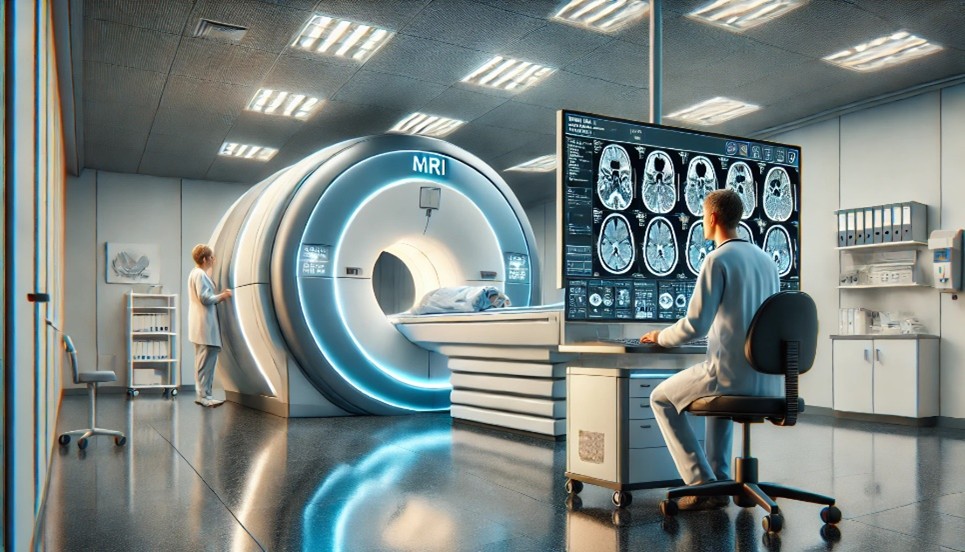
Superconductivity is not only a fascinating phenomenon from a theoretical point of view, but also a driver of technological innovation. In the virtual exhibition, you can discover its main applications through interactive experiences.
- Lossless transport: Superconducting wires drastically reduce energy losses during the transmission of electricity.
- High-intensity magnets: Used in particle accelerators like CERN and in nuclear fusion reactors to contain plasma at high temperatures.
- Magnetic levitation: Superconducting trains and flywheels float above their tracks thanks to the Meissner effect, offering efficient and sustainable transport solutions.
- Biomedical applications: Advanced devices such as MRI scanners and SQUID sensors (used in magnetoencephalography) are made possible thanks to superconducting materials.
The future of superconductivity: research and innovation
 An entire section of our exhibition is dedicated to future perspectives, with a focus on the research carried out by the SPIN Institute of the CNR. Scientists are studying new materials and technologies to make superconductivity more accessible, exploring applications in fields such as quantum electronics, renewable energy, and advanced computing.
While some breakthroughs—such as room-temperature superconductors—are still far from practical use, science continues to push the boundaries of what is possible.
Enter our virtual exhibition Super! now to discover how superconductivity—born in the silence of freezing temperatures—is transforming our world in surprising ways. Don’t be afraid to explore and touch everything… nothing will break!